
1. Awareness Campaign Management
End-to-end planning and execution of a national health awareness initiative focused on edema recognition and management.
Patient-focused educational campaigns conducted across hospitals, clinics, and healthcare institutions.
Educational resources designed to simplify complex medical information for public understanding.
Awareness drives aligned with cardiovascular and renal health education.
2. Healthcare Engagement & Medical CollaborationDoctor & Specialist Participation
Collaboration with cardiologists, physicians, and healthcare specialists to provide expert medical insights.
Educational sessions conducted to help healthcare professionals identify edema symptoms early.
Hospital & Clinic Integration
Awareness materials distributed across hospitals and medical centers.
Doctor–patient communication tools developed to support better patient education.
Medical Knowledge Sharing
Educational seminars and workshops conducted to spread awareness about:
• Causes of edema
• Early symptoms and diagnosis
• Preventive healthcare practices
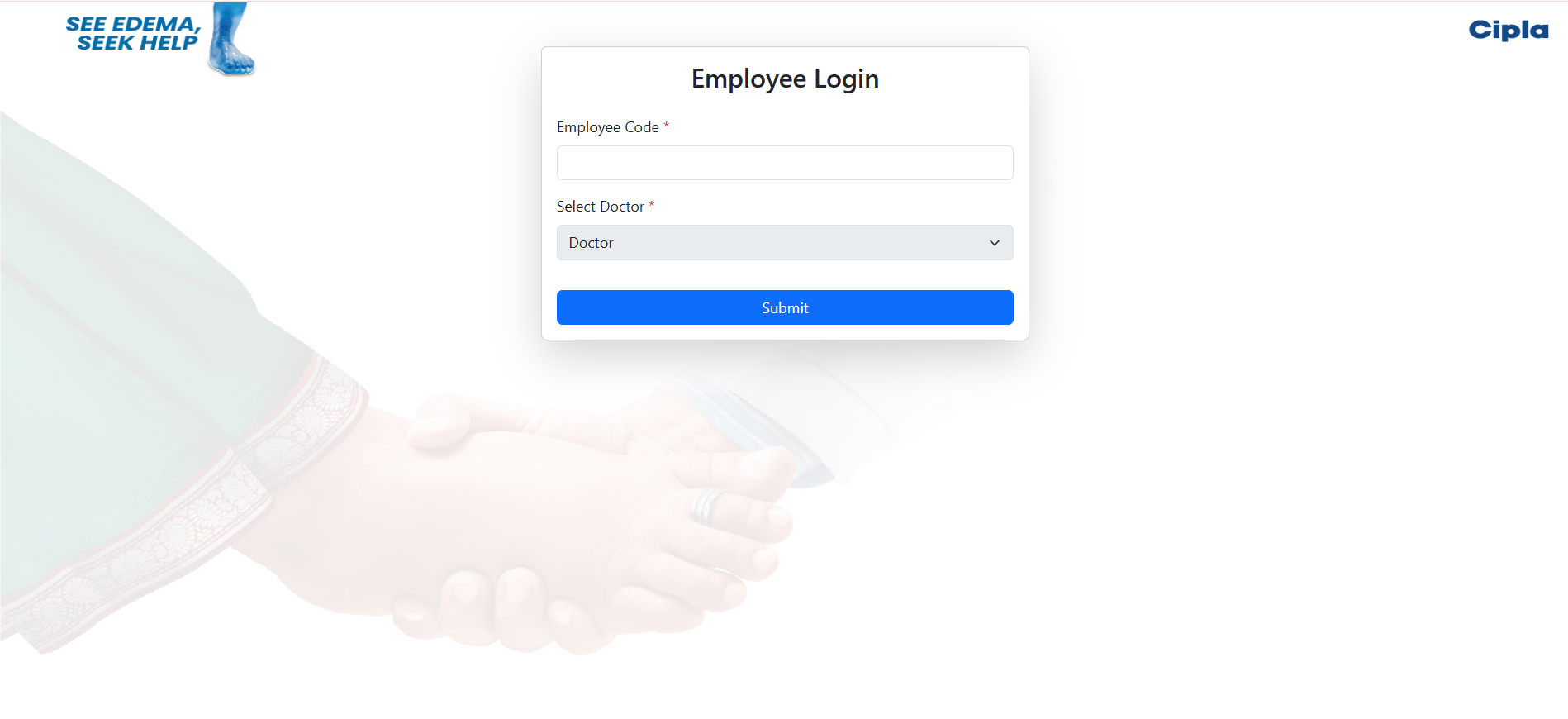
3. Patient Education & Community Outreach
Public Awareness Programs
Health camps and awareness drives conducted in urban and semi-urban communities.
Interactive sessions helping patients recognize symptoms such as:
• Persistent swelling in legs or feet
• Sudden weight gain due to fluid retention
• Skin tightness or discomfort
Educational Materials
Development of patient-friendly communication tools including:
• Informational brochures
• Awareness posters
• Medical infographics
• Symptom recognition guides
These resources simplified medical information for easy understanding by patients and caregivers.
4. Digital Awareness & Communication StrategyDigital Campaigns
Online awareness campaigns were conducted through digital platforms including:
• Health awareness websites
• Social media channels
• Medical education platforms
Informational Content
Content included:
• Awareness videos
• Expert medical interviews
• Patient education articles
• Preventive healthcare tips
This helped the initiative reach a wider audience beyond hospitals and clinics.
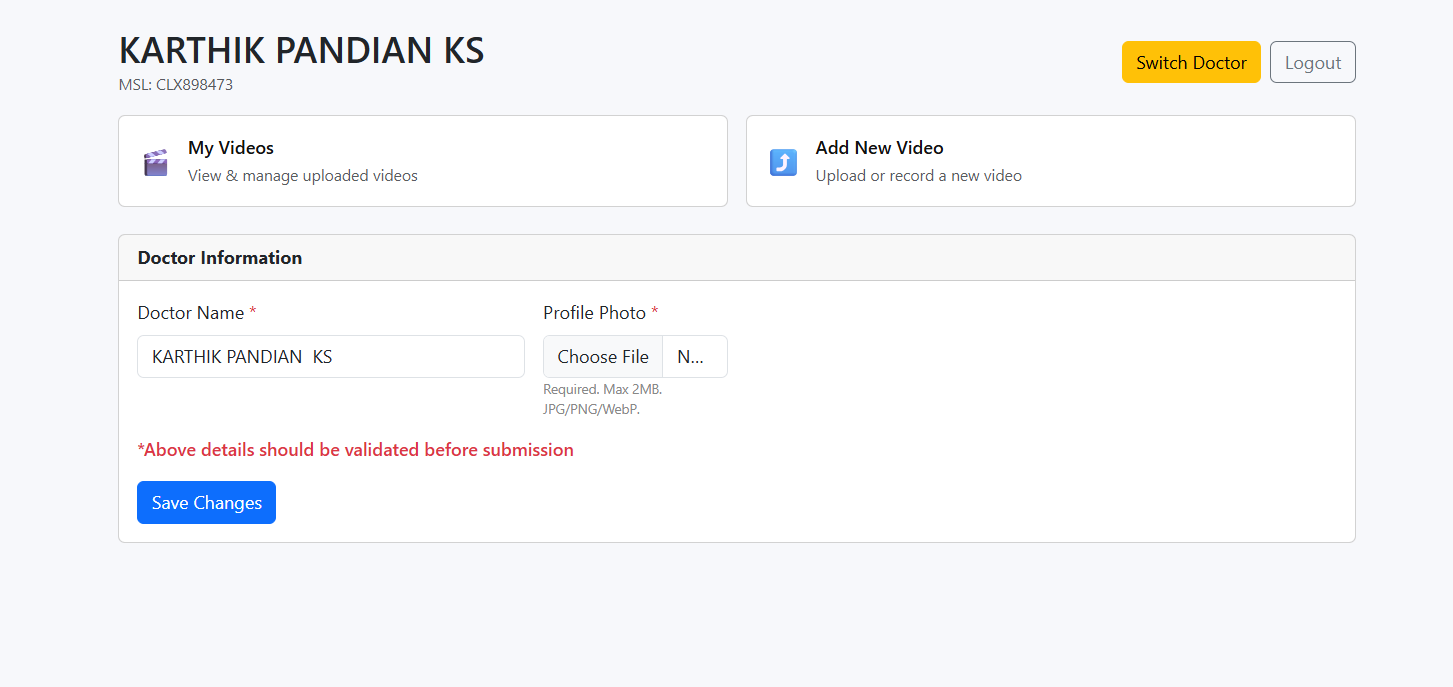
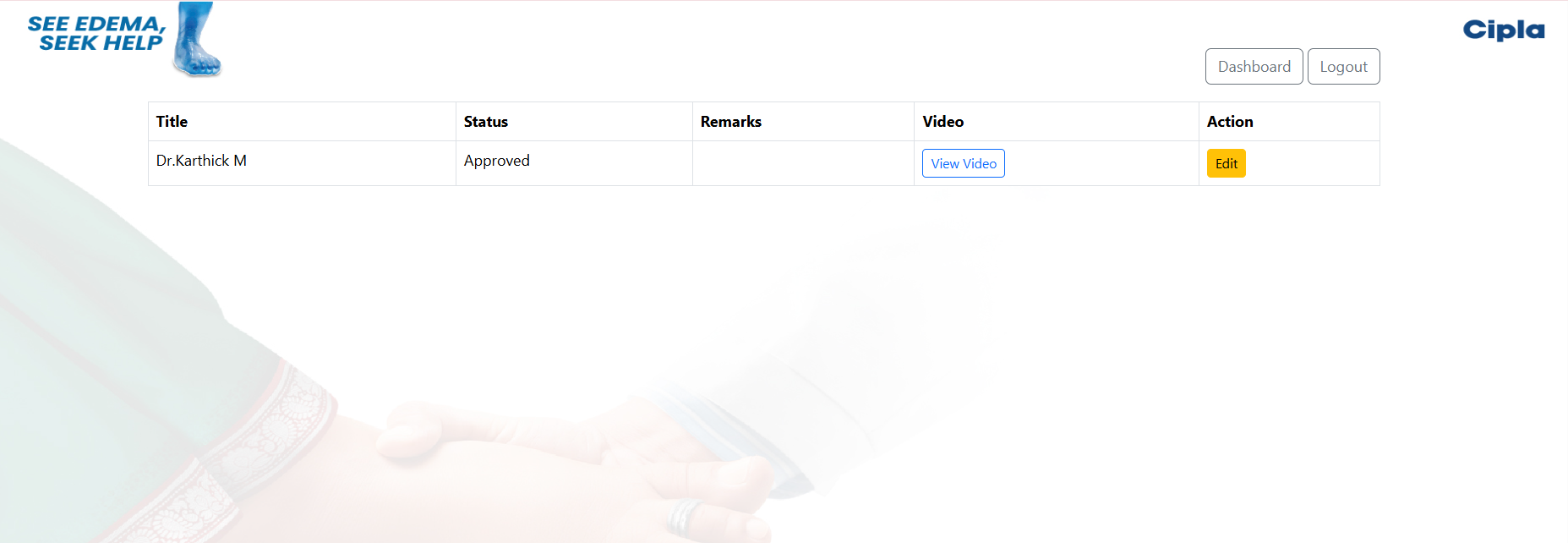
5. Creative Design & Visual Communication
Theme: “Recognize Swelling Early – Protect Your Health”
Visual communication was designed to simplify medical information while keeping it engaging.
Design elements included:
• Medical-infused visuals explaining fluid retention
• Patient education graphics
• Awareness posters and digital banners
• Symptom-identification charts
All visual elements followed a consistent healthcare branding approach aligned with Cipla’s patient-centric philosophy.
6. On-Ground Implementation & SupportDedicated teams coordinated campaign execution across healthcare locations.
Activities included:
• Distribution of educational materials
• Awareness sessions for patients
• Coordination with healthcare professionals
• Data collection for campaign impact assessment
Operational support ensured smooth execution and consistent messaging across locations.
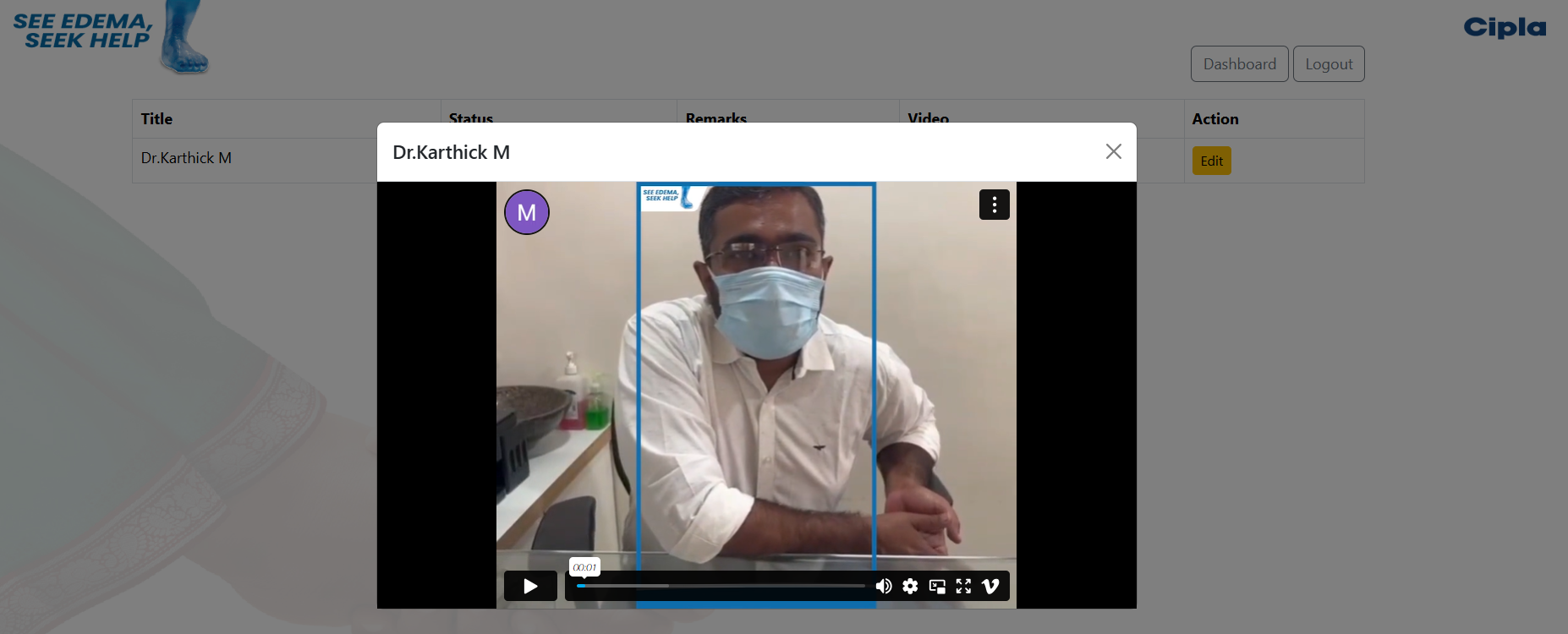
TECHNOLOGY & DATA SUPPORT
Technology tools were used to support the awareness initiative:
• Digital health information platforms
• Online educational resources for patients
• Data tracking to monitor campaign reach
• Digital engagement analytics
This enabled real-time monitoring of campaign effectiveness and audience engagement.
PROJECT HIGHLIGHTSLarge-scale public health awareness initiative led by Cipla
Educational engagement with healthcare professionals and medical institutions
Patient-focused educational campaigns simplifying edema awareness
Digital awareness programs reaching broader audiences
Distribution of medical education resources across hospitals and clinics
Strong collaboration between doctors, healthcare providers, and patients
Increased awareness about the importance of early diagnosis and treatment
THE OUTCOME
The Edema Awareness Project successfully delivered a campaign that was:
• Educational and patient-focused
• Medically informative
• Accessible to diverse communities
• Aligned with preventive healthcare goals
Through this initiative, Cipla achieved its key objectives:
• Improve public awareness about edema symptoms
• Encourage early medical consultation
• Support healthcare professionals with educational resources
• Promote preventive healthcare practices
The program strengthened patient awareness and early diagnosis, contributing to improved healthcare outcomes.